Debt is a common financial challenge for many young professionals. This blog post aims to provide a detailed plan for managing debt effectively, offering practical strategies and valuable insights to help young professionals navigate this aspect of their financial lives with confidence and control.
Understanding the Scope of the Problem:
Debt can be a substantial financial burden, impacting young professionals’ ability to achieve financial milestones and pursue other important life goals. Recognizing the scope of this issue is crucial as it enables individuals to proactively address their debt and take charge of their financial future.
Step 1: Assess Your Debts and Understand Your Options
Before implementing a plan to manage debt, it’s essential to have a clear understanding of the specific debts, interest rates, and repayment terms. By having an accurate overview of their liabilities, young professionals can then explore available repayment options, including debt consolidation, negotiation with creditors and prioritizing repayments based on interest rates.
Step 2: Create a Realistic Budget and Prioritize Repayment Developing a comprehensive budget that accounts for all income, expenses and debt obligations is a fundamental step in managing debt. By prioritizing debt payments and allocating a portion of their income towards debt reduction, young professionals can make steady progress in paying off their debts while maintaining financial stability.
Step 3: Explore Repayment Strategies and Programs. This section will delve into various loan repayment strategies, including the pros and cons of income-driven repayment plans, debt consolidation and refinancing options. Understanding the nuances of each strategy can help young professionals make informed decisions that align with their financial circumstances and long-term goals.
Step 4: Implement Financial Management Techniques
In addition to debt-specific strategies, implementing effective financial management techniques such as setting up automatic payments, creating an emergency fund and finding ways to increase income or decrease expenses, can further support the overall debt management plan.
Step 5: Monitor Progress and Adjust as Needed. Regularly monitoring progress and reassessing the debt management plan is essential. By tracking debt balances, interest accrual and overall financial health, young professionals can identify areas for improvement and make necessary adjustments to their repayment strategy.
By following this detailed plan for managing debt, young professionals can take practical steps towards achieving financial freedom and stability. Equipped with a deeper understanding of their options and a clear roadmap for debt management, individuals can improve their financial obligations with confidence, setting the stage for a stronger financial future.
Here’s a simplified debt repayment plan to get you started that can help individuals effectively tackle their debts:
1: Assess Your Debts
Create a list of all your debts, including the type of debt (e.g., credit card, personal loan, student loan), outstanding balances, interest rates, and minimum monthly payments.
2: Set Clear Goals
Define your debt repayment goals. This could include paying off a specific debt by a certain date, reducing the total amount of debt owed, or simply lowering the overall interest paid.
3: Create a Realistic Budget
Develop a comprehensive budget that outlines your monthly income and expenses. Identify areas where you can reduce spending to allocate more funds towards debt repayment.
4: Prioritize Debts
Consider prioritizing your debts based on the interest rates. Allocate extra funds towards the debt with the highest interest rate while continuing to make minimum payments on other debts.
5: Explore Repayment Strategies
Consider debt consolidation, balance transfers to lower-interest credit cards, or refinancing high-interest loans to reduce overall interest costs.
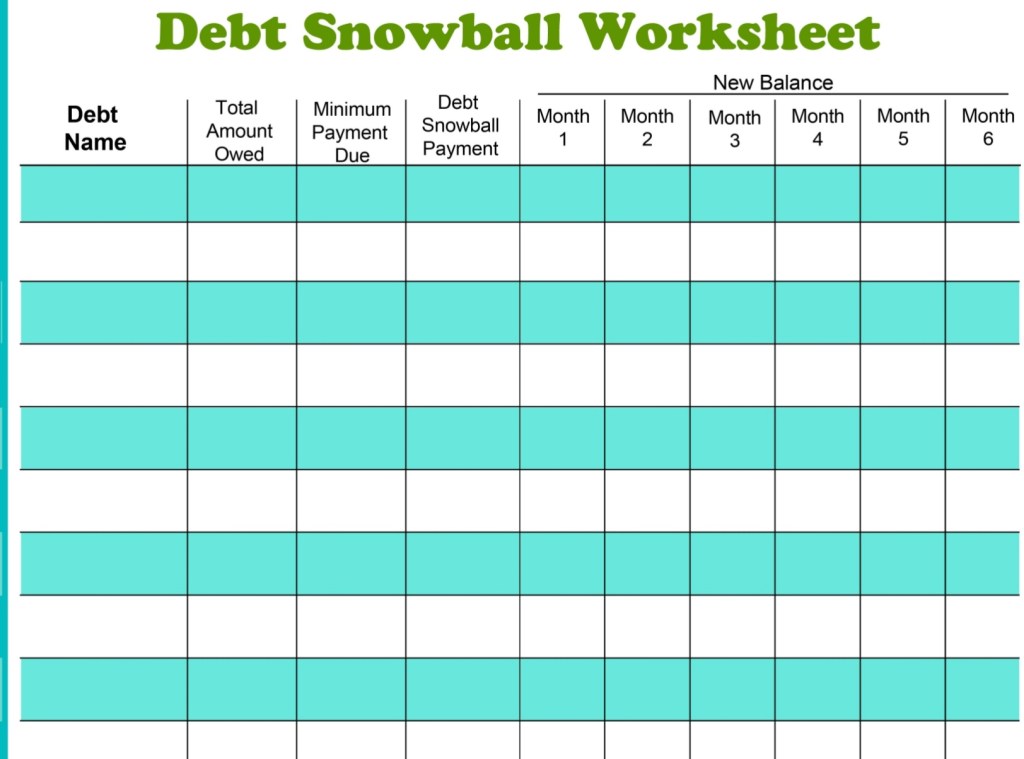
6: Implement the Snowball or Avalanche Method
Choose a debt repayment strategy like the debt snowball method (paying off the smallest debt first) or the debt avalanche method (paying off the debt with the highest interest rate first) to accelerate your repayment efforts.
7: Increase Your Income
Explore opportunities to supplement your income, such as taking on a part-time job, freelancing, or selling unused items. Apply this extra income directly to your debt.
8: Build an Emergency Fund
While focusing on debt repayment, it’s crucial to start building an emergency fund to avoid adding new debt in the event of unforeseen expenses.
9: Monitor Progress and Adjust
Regularly track your progress. Celebrate milestones and adjust your plan as needed based on changes in income, expenses, or unexpected life events.
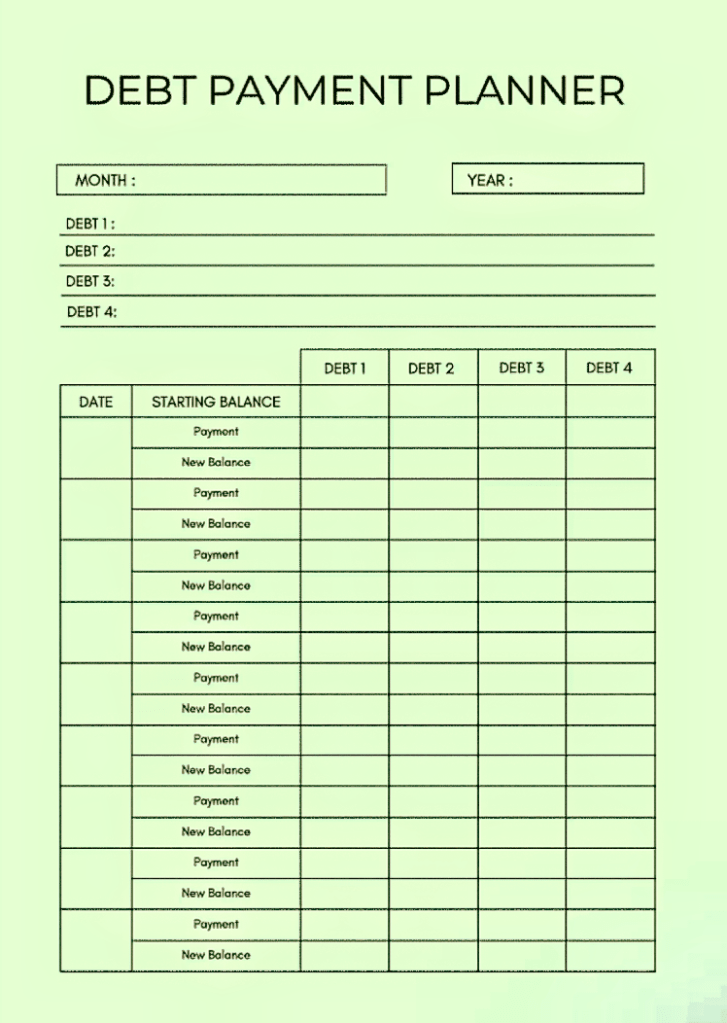
You can download a sample of Debt Repayment Planner here 👇
 krpoems23