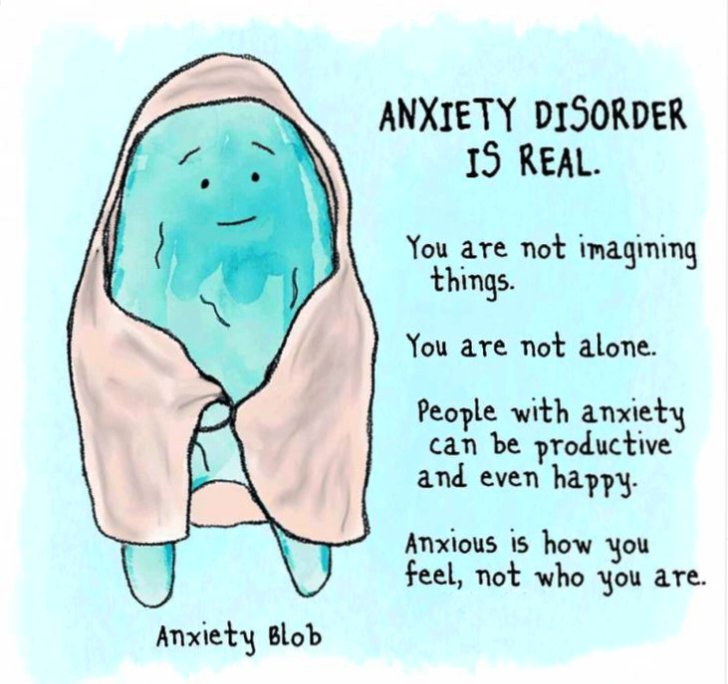
Anxiety is a common mental health condition that affects millions of people worldwide. It can cause a wide range of symptoms, such as restlessness, irritability, racing thoughts, difficulty sleeping, and even physical symptoms such as headaches and nausea. These conditions can be caused by a variety of factors such as lifestyle, genetics , and environmental factors, but there are ways to manage them. So what can you do to manage anxiety and stress?
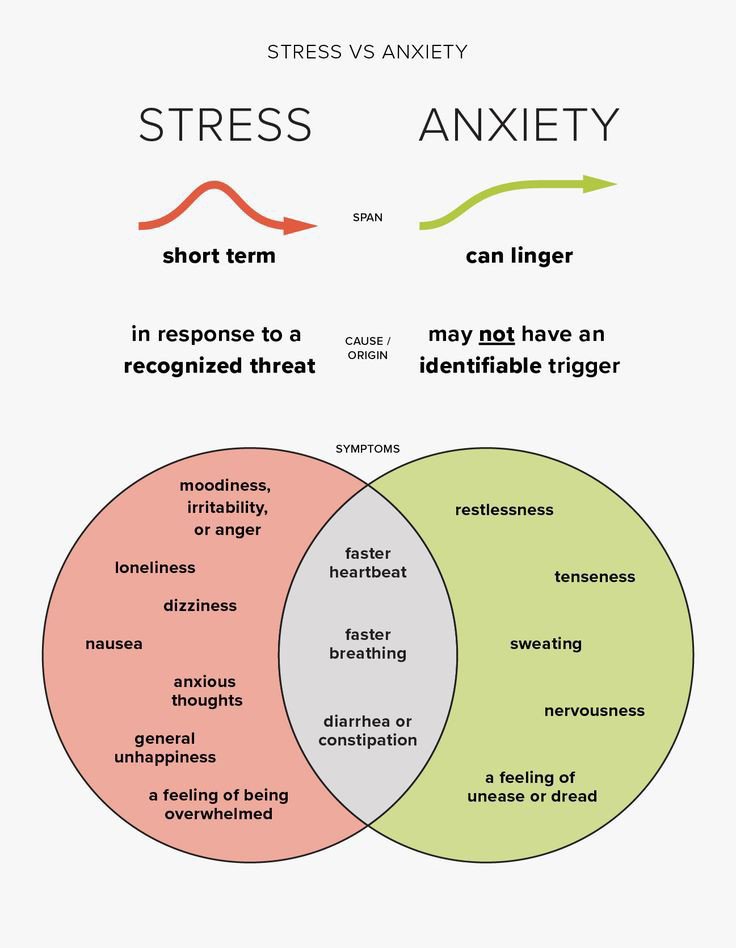
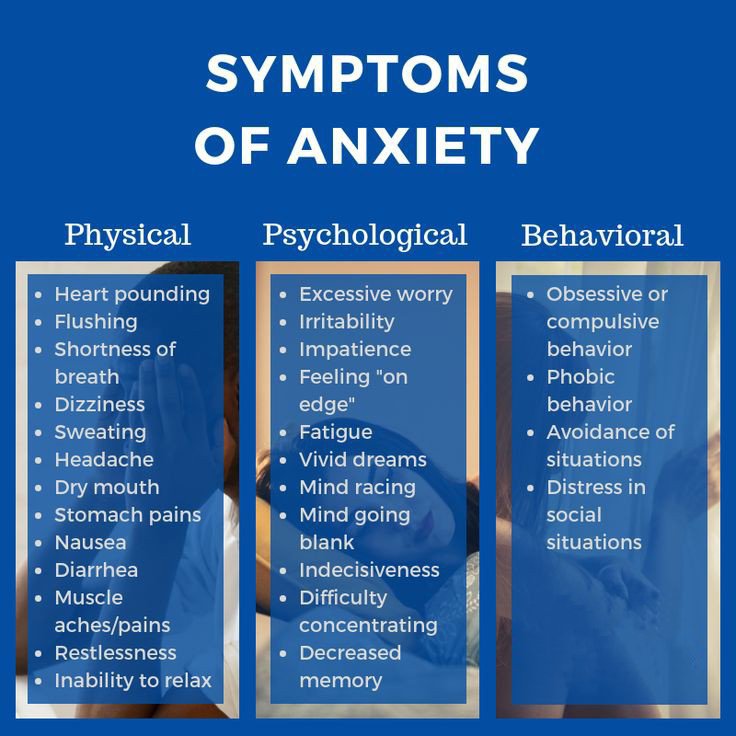
Dealing with anxiety and stress can be challenging, especially in today’s fast-paced world where we’re constantly bombarded with information and distractions. However, there are effective strategies you can use to manage anxiety and stress and improve your overall mental and physical health. So let’s dive in and explore some unique and engaging ways to cope with anxiety and stress.
1. Exposure to nature.
First of all, let’s talk about the science behind it. Spending time outdoors surrounded by trees and greenery has been shown to have a calming effect on the mind and body. Studies have shown that exposure to nature can lower cortisol levels (a stress hormone), reduce anxiety and depression, improve concentration and cognitive function, and boost the immune system.
So how can you incorporate nature and trees into your anxiety management routine? Here are some tips:
i. Take a walk in the park or forest: Find a nearby park or forest and take a stroll among the trees and greenery. Breathe in the fresh air, listen to birds chirping, and focus on the present moment. This can help you relax and clear your mind.
ii. Practice tree-hugging: Yes, you read that right. Tree-hugging, or the practice of embracing trees, has been shown to have numerous health benefits. It can help you reduce stress and anxiety, boost your mood and energy levels, and improve your overall well-being. So go ahead, give that tree a big ol’ bear hug.
iii. Do some gardening: Planting, weeding, and pruning can be therapeutic activities that bring you closer to nature. They allow you to connect with the earth and get your hands dirty, which can be a great way to relieve stress and anxiety.
iv. Meditate outdoors: Find a quiet place in nature and sit or lie down comfortably. Close your eyes and focus on your breath. Allow your mind to quiet down while you listen to the sounds around you – the birds, the leaves rustling, the wind blowing. Simply be present in nature.
v. Take a camping trip: There’s no better way to immerse yourself in nature than to take a camping trip. It allows you to disconnect from technology and the daily grind, and reconnect with the natural world. Build a campfire, roast some marshmallows, and sleep under the stars. It’s a great way to recharge your mind and body.
In summary, incorporating nature and trees into your anxiety management routine can be a unique and effective way to cope with anxiety. Whether you’re hugging a tree, gardening, or taking a camping trip, spending time outdoors can have numerous mental and physical health benefits. So go ahead, get outside, and immerse yourself in the natural world. Your mind and body will thank you for it.
2. Mindfulness and Meditation
Practicing mindfulness and meditation is one way to manage anxiety and stress. Mindfulness helps you focus on the present moment, and meditation helps to calm your body and mind. By learning how to breathe deeply and relax your body, you can improve your overall health and wellbeing.
3. Physical Exercise
Another way to cope with anxiety and stress is through physical exercise. Exercise can help you release endorphins, which are feel-good chemicals that naturally boost your mood. A good workout can alleviate physical tension, reducing your stress levels in the process.
4. Humor therapy
Laughter is said to be the best medicine, and there is plenty of scientific evidence to support this idea. Humor therapy helps you disconnect from negative emotions and create a positive mood. You can listen to a comedy podcast, watch a funny movie, or spend time with friends who make you laugh. Finding laughter amidst anxiety and stress can help reduce stress hormones and leave you feeling relaxed and happy.
5. Relaxation Techniques
Relaxation techniques like yoga, massage, and aromatherapy are all good ways to manage anxiety and stress. Aromatherapy uses essential oils such as lavender and chamomile to aid relaxation and calm your mind. You can also find relaxation music and sounds to accompany your relaxation practice.
6. Support Groups and Counseling
If your anxiety and stress are too much to handle alone, it’s important to seek professional help. Support groups and counseling are great ways to connect with others who are struggling with the same issues. They can provide you with support, coping strategies, and assistance in reaching out for professional assistance if needed.
Last but not the least, Anxiety and stress can be managed with the right tools and mindset. Whether it’s exposure to nature, practicing meditation, physical exercise, humor therapy, relaxation techniques, or seeking support groups and counseling, each individual can find their personalized methods of coping. By taking the time to prioritize self-care and stress management, you will improve your wellbeing and reduce the negative effects of anxiety and stress in your life.

 krpoems23